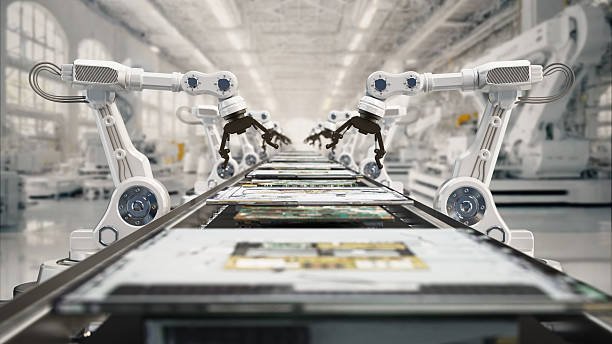
You interact with AI dozens of times daily without realizing it. Your morning alarm, the route to work, even your lunch order, AI influences all of these decisions.
Most Nigerians think AI only exists in science fiction movies or foreign tech companies. However, this couldn’t be further from the truth. AI surrounds us constantly, making life easier in ways we rarely notice.
Understanding these applications matters more than you might think. Consequently, you’ll recognize opportunities to leverage AI for personal growth. Moreover, you’ll make better decisions about technology adoption in your business or career.
This guide reveals 15 practical AI applications transforming Nigerian life right now. Real examples from your daily experience will be shown. Additionally, specific benefits you’re already enjoying will be explained.
No technical jargon or complex explanations. Instead, we’ll explore how AI actually works in Nigerian banking, education, transportation, and business.
Lets dive in:
Banking and Fraud Detection
Nigerian banks fight fraud constantly. Every transaction potentially risks unauthorized access or theft. Fortunately, AI now protects your money more effectively than human monitoring ever could.
How banks use AI to protect you:
Your bank analyzes every transaction instantly. Machine learning algorithms compare each purchase against your typical behavior. Subsequently, unusual patterns trigger immediate alerts.
For example, imagine you typically shop in Lekki, Lagos. Suddenly, someone tries using your card in Dubai. Within seconds, AI detects this anomaly. The system immediately blocks the transaction and sends you an alert. This happens faster than any human could possibly react.
Furthermore, AI learns your spending habits over time. You always buy fuel on Fridays? The system recognizes this pattern. However, three fuel purchases in one hour? AI flags this as suspicious immediately.
Additional banking applications:
Credit scoring has improved dramatically through AI. Banks now evaluate loan applications more fairly. Traditional systems only considered employment history and existing accounts. Conversely, modern AI analyzes mobile money transactions, utility payments, and even social media behavior. Consequently, more Nigerians access credit despite lacking formal banking history.
Customer service chatbots handle routine inquiries 24/7. You can check your balance, request statements, or report issues at 3 AM. No waiting for banking hours or speaking to representatives. The AI understands natural language and resolves simple requests instantly.
Interestingly, fraud detection accuracy has increased by over 60% since Nigerian banks adopted AI systems. Moreover, false positives, legitimate transactions wrongly flagged have decreased significantly. Therefore, you enjoy better security without frustrating interruptions.
Social Media Feeds and Recommendations
Instagram, Facebook, TikTok, and Twitter use AI to determine what you see. Your feed isn’t chronological or random. Instead, sophisticated algorithms curate content specifically for you.
How social media AI works:
These platforms track everything you do. Posts you like, videos you watch, accounts you follow, all this data feeds into AI systems. Subsequently, the AI predicts what content will keep you engaged longest.
Notice how you can scroll TikTok for hours? That’s AI working perfectly. The algorithm identifies patterns in your viewing behavior. Videos you watch completely signal interest. Conversely, content you skip tells the AI what you dislike. Over time, recommendations become eerily accurate.
Why this matters to you:
Businesses leverage this AI to reach customers. When you see ads for products you were just thinking about, AI-powered targeting explains it. Your online behavior reveals interests and purchase intent. Consequently, advertisers pay premium rates to show you relevant products.
Content creators also benefit enormously. AI determines which posts go viral. Understanding how algorithms work helps creators optimize their content. For instance, posting when your followers are most active increases AI promotion. Similarly, using trending sounds on TikTok boosts visibility because AI recognizes popular content.
Additionally, AI filters harmful content automatically. Hate speech, violence, and explicit material get detected and removed. While not perfect, these systems process billions of posts daily. This is an impossible task for human moderators alone.
E-commerce and Online Shopping
Jumia, Konga, and other e-commerce platforms rely heavily on AI. Product recommendations, pricing, and inventory management all use artificial intelligence.
Personalized shopping experiences:
When you search for phones on Jumia, AI instantly analyzes your behavior. Previously viewed products, price range, and brand preferences all inform recommendations. Subsequently, you see “customers who bought this also bought” suggestions. These aren’t random, AI identifies patterns across millions of shoppers.
Dynamic pricing also uses AI algorithms. Prices sometimes change based on demand, competition, and your browsing history. For example, hotels and flights adjust rates constantly. AI analyzes booking patterns and adjusts prices to maximize revenue while maintaining competitiveness.
Inventory and logistics optimization:
AI predicts which products will sell in specific regions. Consequently, warehouses stock popular items locally, reducing delivery times. For instance, generators might be prioritized in areas with frequent power outages. Meanwhile, fashion items trend differently in Lagos versus Kano.
Delivery route optimization uses AI extensively. When you order online, algorithms calculate the fastest delivery path. Traffic patterns, distance, and multiple delivery points get analyzed simultaneously. Therefore, your package arrives faster while delivery companies save fuel costs.
Furthermore, AI-powered chatbots handle customer inquiries instantly. Questions about product specifications, delivery status, or return policies get answered immediately. This improves customer satisfaction while reducing support costs for businesses.
Transportation and Navigation
Google Maps, Uber, and Bolt all depend on AI. Your daily commute benefits from artificial intelligence even if you don’t realize it.
How navigation AI works:
Google Maps analyzes real-time traffic data from millions of users. Your phone constantly sends location and speed information anonymously. Subsequently, AI processes this data to identify congestion patterns. The system then suggests alternative routes to avoid traffic.
Interestingly, the AI learns traffic patterns over time. Monday morning traffic from Lekki to VI follows predictable patterns. Therefore, Google Maps anticipates congestion even before it occurs. Consequently, you receive proactive route suggestions rather than reactive ones.
Ride-hailing applications:
Uber and Bolt use AI for pricing and driver matching. Surge pricing adjusts dynamically based on supply and demand. Many drivers in your area? Prices stay normal. However, few available drivers during rush hour? AI increases rates to incentivize more drivers to come online.
Driver-passenger matching also uses sophisticated algorithms. The system considers distance, driver ratings, direction, and historical acceptance rates. Subsequently, the closest available driver who’s likely to accept your trip gets the request. This minimizes waiting time for both parties.
Additionally, estimated arrival times have become remarkably accurate. AI analyzes historical trip data, current traffic, and typical driver behavior. Therefore, “driver arrives in 4 minutes” predictions are usually precise within 1-2 minutes.
Education and Personalized Learning
AI transforms how Nigerian students learn. Educational apps, online platforms, and even traditional schools now incorporate artificial intelligence.
Adaptive learning platforms:
Apps like Khan Academy and Duolingo use AI to personalize education. These systems track which concepts you struggle with and which you master quickly. Subsequently, the difficulty adjusts automatically to match your level.
For example, if you consistently answer algebra questions correctly, the app introduces more challenging problems. Conversely, struggling with fractions triggers additional practice in that area. This personalized approach helps you learn at your optimal pace rather than following rigid curricula.
JAMB and WAEC preparation:
Many exam preparation apps now use AI. These platforms analyze your performance across different subjects. Weak areas get emphasized in your study recommendations. Meanwhile, topics you’ve mastered receive less attention. Consequently, study time focuses where you need it most.
Furthermore, AI generates practice questions similar to actual exam patterns. The system studies past JAMB questions and creates new ones following similar formats. This helps students prepare more effectively for actual exam conditions.
Language learning applications:
AI-powered pronunciation feedback helps Nigerians improve English or learn new languages. You speak into your phone, and AI analyzes your pronunciation. Subsequently, specific corrections improve your accent and clarity. This technology previously required expensive human tutors.
Interestingly, AI can now preserve Nigerian languages. Apps teaching Yoruba, Igbo, and Hausa use speech recognition to help children learn their native tongues. This technology strengthens cultural heritage while embracing modern education methods.
Healthcare Diagnosis and Treatment
Nigerian healthcare increasingly incorporates AI. While human doctors remain essential, artificial intelligence assists with diagnosis, treatment planning, and patient monitoring.
Medical imaging analysis:
AI examines X-rays, CT scans, and MRI images with remarkable accuracy. These systems detect abnormalities that human eyes might miss. For instance, early-stage cancers or subtle fractures get identified more consistently.
Several Nigerian teaching hospitals now use AI diagnostic tools. Radiologists review images alongside AI analysis. Subsequently, diagnostic accuracy improves while reducing examination time. This helps more patients receive timely, accurate diagnoses.
Symptom checking and triage:
AI-powered chatbots now offer preliminary medical advice. You describe symptoms, and the system asks clarifying questions. Subsequently, recommendations about urgency and specialist type help you make informed decisions.
These tools don’t replace doctors. However, they help people determine whether symptoms require immediate emergency care or can wait for a regular appointment. Consequently, emergency rooms experience less overcrowding from non-urgent cases.
Drug interaction warnings:
Pharmacies increasingly use AI to check medication interactions. When doctors prescribe multiple drugs, AI systems verify compatibility. Dangerous combinations get flagged immediately. Therefore, patients avoid potentially harmful drug interactions.
Additionally, AI assists with treatment personalization. Genetic information, medical history, and current conditions all inform treatment recommendations. This precision medicine approach improves outcomes while reducing side effects.
Customer Service Chatbots
Nigerian businesses increasingly deploy AI chatbots. Banks, telecoms, and retailers all use artificial intelligence to handle customer inquiries.
How business chatbots work:
You send a message on WhatsApp or Facebook. Instantly, an AI responds to your question. Simple inquiries about account balances, delivery status, business hours, get answered immediately without human intervention.
MTN, Airtel, and 9mobile all use AI customer service. You can check data balances, purchase airtime, or troubleshoot network issues through automated systems. These AI assistants understand natural language, so you don’t need to use specific commands.
Benefits for businesses and customers:
Companies save enormous costs through chatbot implementation. One AI system handles thousands of simultaneous conversations. Conversely, hiring enough human agents for 24/7 coverage would cost millions monthly.
Customers benefit from instant responses. No more waiting on hold or dealing with call center queues. Simple questions get answered immediately, while complex issues get escalated to human agents efficiently.
Furthermore, chatbots never get tired or frustrated. They maintain consistent politeness regardless of customer attitude. This often improves customer experience compared to overworked human agents.
Interestingly, many people prefer chatbots for simple inquiries. Checking account balances or tracking deliveries feels faster and less awkward than calling customer service. However, complex problems still require human empathy and problem-solving.
Content Creation and Writing
AI now helps create written content, images, and videos. Bloggers, marketers, and businesses leverage these tools extensively.
AI writing assistants:
Tools like ChatGPT and Jasper help writers produce content faster. These systems generate article drafts, social media captions, and marketing copy. However, human editing remains essential for accuracy and personality.
Nigerian bloggers increasingly use AI to speed up content creation. Research that previously took hours now happens in minutes. Moreover, writer’s block becomes less frustrating when AI provides starting points and ideas.
Actually, I’ve written extensively about how to use AI to make money in Nigeria through content creation and other methods. That guide provides specific strategies for monetizing AI writing skills.
Graphic design and image creation:
Canva’s AI features enable non-designers to create professional graphics. Background removal, image enhancement, and layout suggestions all use artificial intelligence. Consequently, small businesses produce marketing materials without hiring expensive designers.
AI image generators like DALL-E and Midjourney create unique visuals from text descriptions. You simply describe what you want, and AI produces images. This technology helps content creators, advertisers, and social media managers produce engaging visual content.
Video editing and production:
AI-powered video editors automatically remove filler words, add captions, and suggest cuts. What previously required hours of manual editing now happens in minutes. Nigerian YouTubers and content creators save enormous time using these tools.
Furthermore, AI can generate entire videos from scripts. Some educational content and advertisements now use AI-generated narration and visuals. While not replacing human creativity, these tools democratize video production for those lacking technical skills or expensive equipment.
Language Translation Services
Google Translate uses AI to break language barriers. Nigerians conducting international business or consuming foreign content benefit enormously from these translation capabilities.
How AI translation works:
Modern translation doesn’t simply swap words between languages. Instead, AI understands context, idioms, and cultural nuances. Subsequently, translations sound more natural and accurate than older word-for-word systems.
For example, translating Nigerian pidgin to formal English requires cultural understanding beyond literal word conversion. AI learns these nuances through analyzing millions of translations. Consequently, accuracy improves continuously as more data becomes available.
Practical applications for Nigerians:
Business documents requiring translation benefit from AI speed and accuracy. International contracts, product manuals, and marketing materials all get translated quickly. While professional human translation remains necessary for legal documents, AI handles routine translation efficiently.
Students researching foreign language sources use translation AI extensively. Academic papers, news articles, and educational content from other languages become accessible. This democratizes knowledge previously locked behind language barriers.
Preserving Nigerian languages:
AI translation increasingly supports Yoruba, Igbo, and Hausa. Google Translate handles these languages with improving accuracy. Moreover, AI helps preserve these languages for future generations.
Voice translation apps now allow real-time conversation translation. You speak English, and the app translates to Yoruba instantly. Conversely, responses get translated back to English. This technology helps younger Nigerians communicate with elders when native language fluency is lacking.
Agriculture and Farming
Nigerian farmers increasingly access AI-powered agricultural advice. Mobile apps provide crop management guidance, pest identification, and market price information.
AI farming applications:
Apps like PlantVillage help farmers identify crop diseases through photos. You simply photograph affected leaves or plants. Subsequently, AI diagnoses the problem and recommends treatments. This technology previously required expensive agricultural extension services.
Weather prediction AI helps farmers plan planting and harvesting. More accurate forecasts reduce crop losses from unexpected rain or drought. Consequently, yields improve while reducing waste.
Market optimization:
AI analyzes market prices across different regions. Farmers receive recommendations about when and where to sell for maximum profit. For instance, tomatoes might command better prices in Lagos than local markets. Therefore, informed decisions about transportation costs versus potential profits become possible.
Crop planning AI suggests optimal planting strategies. Your specific location, soil type, and historical weather patterns all inform recommendations. Subsequently, you plant crops most likely to succeed in your particular conditions.
Furthermore, AI-powered irrigation systems optimize water usage. Sensors monitor soil moisture while AI determines precisely when and how much to water. This conserves water resources while improving crop health.
Job Recruitment and HR
Nigerian companies increasingly use AI for hiring. Resume screening, candidate matching, and interview scheduling all incorporate artificial intelligence.
How recruitment AI works:
Job applicants submit resumes through online portals. AI systems immediately scan these documents for relevant keywords and qualifications. Candidates matching job requirements get prioritized for human review. Conversely, clearly unqualified applications get filtered automatically.
This saves HR departments enormous time. Large companies receive thousands of applications for single positions. AI handles initial screening, allowing recruiters to focus on promising candidates only.
Candidate assessment:
Some companies use AI-powered video interview analysis. Your facial expressions, word choice, and confidence get evaluated alongside your answers. While controversial, these systems claim to reduce human bias in hiring decisions.
Skills assessment tests increasingly use AI. Your answers get analyzed for problem-solving approaches, not just correct responses. This provides deeper insights into your thinking process and potential.
Benefits and concerns:
AI recruitment potentially reduces bias by focusing on qualifications rather than names, photos, or backgrounds. However, critics worry AI might perpetuate existing biases if training data reflects historical discrimination.
For job seekers, understanding AI recruitment helps. Many companies use Applicant Tracking Systems (ATS) that scan resumes for keywords. Therefore, including relevant terms from job descriptions improves your chances of passing initial screening.
Interestingly, AI also helps job seekers. Resume optimization tools suggest improvements to increase ATS compatibility. Interview preparation AI provides practice questions and feedback on your answers.
Entertainment Recommendations
Netflix, YouTube, and Spotify use AI to recommend content. Your entertainment experience is heavily personalized through artificial intelligence.
How recommendation algorithms work:
These platforms track everything you watch, listen to, or skip. AI analyzes these patterns to predict what you’ll enjoy next. Subsequently, personalized recommendations appear designed specifically for your taste.
Netflix’s recommendation engine is famously sophisticated. The system considers time of day, device used, and even how long you hesitate before selecting content. All these factors inform what shows appear in your feed.
Music and podcast recommendations:
Spotify’s AI creates personalized playlists like “Discover Weekly” and “Daily Mix.” These selections feel eerily accurate because AI analyzes your listening history, skipped songs, and repeated plays. Subsequently, you discover new artists matching your taste.
Nigerian artists benefit from these algorithms too. When AI identifies listeners who enjoy similar music, it recommends Nigerian artists to broader audiences. Consequently, local musicians gain international exposure through algorithmic recommendations.
Gaming and interactive content:
Mobile game AI adjusts difficulty based on your skill level. Too easy, and you get bored. Too difficult, and you quit in frustration. Therefore, AI balances challenge to keep you engaged optimally.
Furthermore, in-game recommendations for purchases or upgrades use AI. Your playing style and progress inform suggestions for items or characters you might want. This personalization increases player satisfaction while boosting developer revenue.
Security and Surveillance
Security systems increasingly incorporate AI. Facial recognition, threat detection, and access control all use artificial intelligence.
Facial recognition technology:
Modern security cameras don’t just record, they analyze. AI identifies faces, detects unusual behavior, and tracks movement patterns. Subsequently, security personnel receive alerts about potential threats rather than watching hours of footage.
Nigerian airports and government buildings now use facial recognition. Your face gets compared against databases to verify identity. This technology speeds up security checks while improving accuracy.
Threat detection:
AI analyzes surveillance footage for suspicious behavior. Loitering, aggressive movements, or abandoned packages trigger immediate alerts. Security guards can’t watch dozens of camera feeds simultaneously with full attention. However, AI monitors everything continuously without fatigue.
Some Nigerian banks use behavioral biometrics. AI learns how you typically interact with ATMs, your typing speed, common transactions, movement patterns. Subsequently, unusual behavior gets flagged as potential fraud or coercion.
Privacy considerations:
Security AI raises legitimate privacy concerns. Continuous surveillance and facial recognition can enable government overreach or corporate invasion of privacy. Therefore, balancing security benefits with privacy rights remains an ongoing debate.
Additionally, AI surveillance can perpetuate bias. Some facial recognition systems perform less accurately on darker skin tones. This technical limitation potentially leads to discriminatory outcomes. Consequently, ethical AI development requires diverse training data and careful bias testing.
Smartphone Features
Your phone contains numerous AI features you use daily without realizing it. Photography, battery management, and voice assistants all incorporate artificial intelligence.
Camera and photography AI:
Modern smartphones use AI for photography extensively. Portrait mode blur isn’t optical. AI identifies faces and blurs backgrounds artificially. Night mode combines multiple photos using AI to create bright, clear images in darkness.
Furthermore, AI adjusts colors, contrast, and exposure automatically. Your phone recognizes scenes; sunset, food, documents and optimizes settings accordingly. Therefore, casual photographers achieve professional-looking results without technical knowledge.
Battery optimization:
AI learns your phone usage patterns. Apps you use frequently stay active in memory. Conversely, rarely-used apps get restricted to save battery. Your phone even predicts when you’ll need your battery most and adjusts power consumption accordingly.
Charging optimization uses AI too. Your phone learns when you typically charge overnight. Subsequently, it charges to 80% quickly, then slowly completes charging before your usual wake time. This extends battery lifespan significantly.
Voice assistants:
Google Assistant and Siri use AI extensively. These systems understand natural language, learn your preferences, and anticipate your needs. Asking “What’s the weather?” triggers location awareness, time consideration, and personalized responses.
Furthermore, predictive text and autocorrect use AI. Your phone learns your vocabulary, common phrases, and typing patterns. Therefore, suggestions become increasingly accurate and personalized over time.
Screen time management:
AI analyzes your phone usage patterns. Subsequently, you receive insights about which apps consume most time and notifications that interrupt you most frequently. This self-awareness helps you make conscious decisions about digital habits.
Financial Services and Fintech
Nigerian fintech companies leverage AI extensively. Mobile banking, investment apps, and lending platforms all use artificial intelligence.
Mobile money and digital wallets:
OPay, PalmPay, and similar services use AI for fraud detection. Every transaction gets analyzed for suspicious patterns. Subsequently, legitimate transactions process instantly while potential fraud gets flagged for verification.
AI also enables instant credit scoring for digital loans. Traditional banks required extensive documentation and weeks of processing. Conversely, fintech apps analyze your transaction history and offer loans within minutes. This democratizes credit access for millions of previously underserved Nigerians.
Investment platforms:
Robo-advisors use AI to recommend investment strategies. Your financial goals, risk tolerance, and investment timeline inform personalized portfolio suggestions. Subsequently, you receive professional investment guidance without expensive human advisors.
Stock trading apps use AI for market analysis. Price predictions, trend identification, and risk assessment all incorporate artificial intelligence. While not perfectly accurate, these tools help individual investors make more informed decisions.
Expense tracking and budgeting:
AI-powered budgeting apps automatically categorize transactions. Your grocery purchases, transport costs, and entertainment spending get tracked without manual entry. Subsequently, detailed spending insights help you identify savings opportunities.
Furthermore, AI predicts future expenses based on historical patterns. Knowing that NEPA bills typically arrive mid-month helps you plan cash flow more effectively. This predictive capability reduces financial stress through better preparation.
Cryptocurrency and blockchain:
AI helps detect cryptocurrency fraud and market manipulation. Trading bots use artificial intelligence to execute trades based on market conditions. While risky, these tools enable 24/7 trading without constant human monitoring.
Additionally, AI analyzes blockchain transactions to identify patterns indicating money laundering or illegal activities. This helps legitimate cryptocurrency platforms maintain compliance while protecting users.
How These AI Applications Connect
Notice how AI appears everywhere in your daily life. Banking, shopping, entertainment, and transportation all incorporate artificial intelligence. Consequently, understanding these applications helps you leverage technology more effectively.
Moreover, many of these AI uses create business opportunities. Content creation, customer service, and data analysis all need human oversight despite AI assistance. Therefore, learning to work alongside AI rather than competing against it positions you advantageously in the modern economy.
Actually, if you’re curious about AI fundamentals, I’ve written a comprehensive guide on what is AI that explains how these technologies actually work. That article provides the foundation for understanding all the applications discussed here.
The Future of AI in Nigeria
These 15 applications represent just the beginning. AI adoption in Nigeria accelerates daily. New use cases emerge constantly across agriculture, healthcare, education, and business.
Emerging AI applications:
Traffic management systems using AI will reduce Lagos congestion. Currently pilot programs test AI-optimized traffic lights that adapt to real-time conditions. Subsequently, commute times could decrease significantly.
Legal document analysis, AI helps lawyers research cases faster. Contracts get reviewed for problematic clauses automatically. This technology makes legal services more affordable and accessible.
Environmental monitoring uses AI to track pollution, deforestation, and climate patterns. Nigerian researchers increasingly use these tools to study and protect natural resources.
Skills needed for AI economy:
Understanding AI creates career advantages even without technical expertise. Businesses need people who can bridge technology and practical applications. Therefore, learning how AI works and where it adds value makes you invaluable.
Furthermore, creative skills becomes more valuable as AI handles routine tasks. Problem-solving, empathy, cultural understanding, these uniquely human abilities can’t be automated easily. Consequently, developing these skills alongside AI knowledge creates powerful career positioning.
Taking Advantage of AI in Your Life
You don’t need to be a programmer to benefit from AI. These practical steps help you leverage artificial intelligence immediately:
Start using AI tools actively:
Experiment with ChatGPT for writing, research, or learning. Try Canva for creating graphics. Use Google Lens to identify objects, translate text, or search images. Active experimentation builds comfort and competence.
Understand how algorithms affect you:
Social media feeds, search results, and recommendations all use AI. Understanding these systems helps you make conscious choices rather than being unconsciously manipulated. For instance, varying your content consumption prevents algorithm bubbles limiting your perspective.
Explore AI income opportunities:
Many Nigerians already earn through AI-assisted services. Content writing, graphic design, social media management, and tutoring all benefit from AI tools. Actually, my guide on how to use AI to make money in Nigeria explores 12 specific strategies for generating income through artificial intelligence.
Stay informed about AI developments:
Technology evolves rapidly. Following AI news helps you anticipate changes affecting your industry or interests. Nigerian tech blogs, international publications, and AI company announcements all provide valuable insights.
Advocate for responsible AI:
Engage in discussions about AI ethics, privacy, and regulation. Your voice matters in shaping how Nigeria adopts and governs artificial intelligence. Supporting transparency, fairness, and accountability ensures AI benefits everyone rather than exploiting vulnerable populations.
Common Questions About AI Applications
Let me address frequent questions about AI in Nigerian life.
Is AI taking over everything?
AI augments human capabilities rather than replacing them completely. These tools handle repetitive tasks, allowing humans to focus on creative, strategic, or interpersonal work. However, some jobs will change significantly, requiring skill adaptation.
Can I trust AI decisions?
AI systems make mistakes just like humans. Bank fraud detection sometimes flags legitimate transactions. Recommendations occasionally miss the mark. Therefore, treat AI as a helpful assistant rather than infallible authority. Human judgment remains essential for important decisions.
How do companies get my data for AI?
Most AI systems learn from user data i.e your searches, purchases, clicks, and behaviors. Terms of service you accept when using apps typically grant data collection rights. Reading privacy policies and adjusting privacy settings gives you more control.
Will AI replace my job?
Some jobs will change or disappear. However, new opportunities also emerge. Historically, technology creates more jobs than it eliminates, though transitions can be difficult. Therefore, continuous learning and skill development protect your career prospects.
Is Nigerian AI different from foreign AI?
AI technology itself is universal. However, applications need local context to work effectively. Nigerian AI startups increasingly develop solutions addressing specific local challenges from pidgin language processing to agricultural advice for tropical crops.
In Conclusion
AI permeates your daily life in Nigeria more than you probably realized. From morning banking to evening entertainment, artificial intelligence makes experiences faster, safer, and more personalized.
Understanding these applications empowers you. Recognition of AI’s role helps you make better technology choices. Moreover, awareness creates opportunities to leverage AI for personal or business advancement.
These aren’t futuristic predictions, they’re current realities you experience daily. Your smartphone, bank account, favorite apps, and transportation all incorporate artificial intelligence right now.
The question isn’t whether AI will affect your life. Rather, the question is whether you’ll understand and leverage it consciously or experience it passively.
Nigerians who understand AI gain significant advantages. Career opportunities increase. Business efficiency improves. Moreover, technological literacy becomes increasingly valuable as AI adoption accelerates.
What will you do with this knowledge? How will you apply these insights to improve your life, advance your career, or grow your business?
The AI revolution is happening now in Nigeria. Early adopters and conscious users will benefit disproportionately compared to those who ignore or resist these changes.
Your choice determines whether AI becomes a tool you master or a force that shapes you unconsciously.
Choose wisely. Start today.
Want to go deeper? Check out my guide on what is AI to understand how these technologies actually work, or explore how to use AI to make money in Nigeria for specific income strategies.
Which AI application surprised you most? Share your thoughts in the comments below!